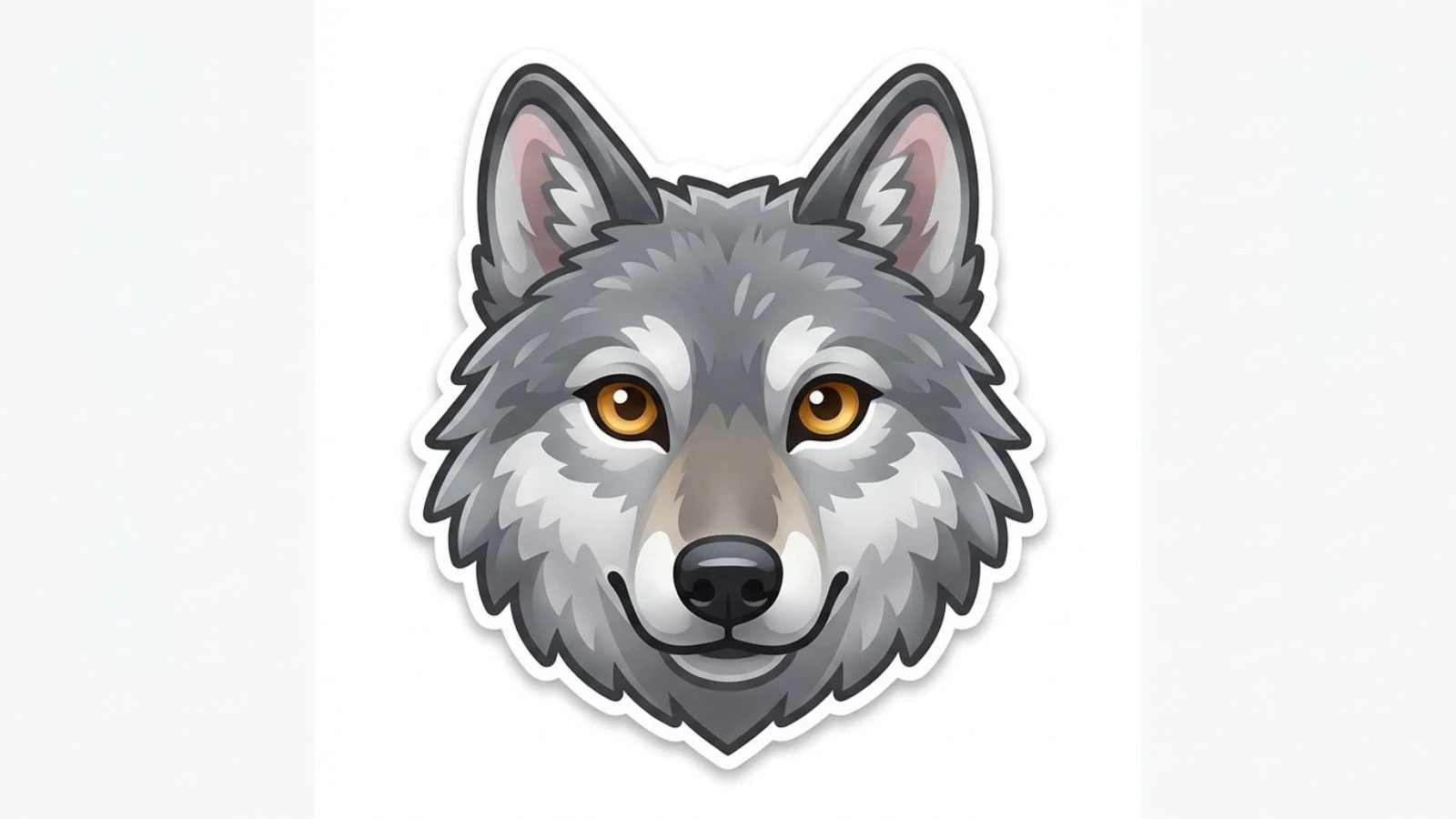
The Wolf Emoji 🐺 shows a wolf’s face. It can stand for strength, loyalty, freedom, wild nature, or a strong bond with others.
People use it when talking about wolves, wildlife, or their love of nature. It can also show a bold mood, a love of adventure, or pride in being part of a group.
On social media, its meaning may change with the post or message. Here, you will learn what the wolf emoji means in texts, what it can mean from a girl or guy, and how to use it.
100 Emojis Related to Wolf Emoji
These emojis relate to wolves, wild animals, nature, strength, freedom, packs, and outdoor life. Some are direct animal symbols, while others fit the themes people may express with 🐺.
| Emoji | Meaning | Emoji | Meaning |
| 🐺 | Wolf | 🐾 | Animal tracks |
| 🐕 | Dog | 🦊 | Fox |
| 🐶 | Puppy | 🐱 | Cat |
| 🦁 | Lion | 🐯 | Tiger |
| 🐆 | Leopard | 🐅 | Tiger stripes |
| 🐻 | Bear | 🐻❄️ | Polar bear |
| 🦝 | Raccoon | 🐼 | Panda |
| 🦌 | Deer | 🫎 | Moose |
| 🦬 | Bison | 🐗 | Wild boar |
| 🐴 | Horse | 🫏 | Donkey |
| 🦓 | Zebra | 🦒 | Giraffe |
| 🐘 | Elephant | 🦏 | Rhino |
| 🦛 | Hippo | 🐊 | Crocodile |
| 🐍 | Snake | 🦎 | Lizard |
| 🦖 | Dinosaur | 🦕 | Long-necked dinosaur |
| 🦅 | Eagle | 🦉 | Owl |
| 🦇 | Bat | 🦋 | Butterfly |
| 🐝 | Bee | 🐜 | Ant |
| 🦗 | Cricket | 🪲 | Beetle |
| 🐢 | Turtle | 🐸 | Frog |
| 🐒 | Monkey | 🦍 | Gorilla |
| 🦧 | Orangutan | 🐿️ | Squirrel |
| 🦔 | Hedgehog | 🦦 | Otter |
| 🦫 | Beaver | 🦥 | Sloth |
| 🦨 | Skunk | 🐇 | Rabbit |
| 🐀 | Rat | 🐁 | Mouse |
| 🐈⬛ | Black cat | 🐕🦺 | Service dog |
| 🦮 | Guide dog | 🐩 | Poodle |
| 🐺⬛ | Black wolf symbol | 🐾 | Paw prints |
| 🌲 | Evergreen tree | 🌳 | Tree |
| 🌴 | Palm tree | 🍃 | Leaves |
| 🌿 | Green plant | 🌱 | New growth |
| 🌵 | Cactus | 🍂 | Falling leaves |
| 🍁 | Maple leaf | 🌾 | Grass |
| 🌍 | Earth | 🌎 | Earth |
| 🌕 | Full moon | 🌙 | Crescent moon |
| 🌑 | New moon | 🌌 | Milky Way |
| ⭐ | Star | ✨ | Sparkles |
| 🌟 | Shining star | ☀️ | Sun |
| 🌧️ | Rain | ❄️ | Snowflake |
| 🌨️ | Snow | 🌬️ | Wind |
| 🔥 | Fire | 💧 | Water drop |
| 🏔️ | Mountain | ⛰️ | Mountain peak |
| 🌋 | Volcano | 🏕️ | Camping |
| 🏞️ | National park | 🌄 | Mountain sunrise |
| 🌅 | Sunrise | 🌲 | Forest tree |
| 🧭 | Compass | 🗺️ | Map |
| 🥾 | Hiking boot | 🎒 | Backpack |
Note: The table contains 100 emoji entries, but two symbols are repeated and 🐺⬛ is not a standard single Unicode emoji sequence. For the clearest copy-and-paste results, use the standard wolf emoji 🐺.
What Does the Wolf Emoji Mean?
The wolf emoji 🐺 mainly represents a wolf. But in messages and posts, it can also stand for strength, loyalty, freedom, and a wild spirit.
Here are its most common meanings:
- Strength: Someone may use it to show that they feel strong or brave.
- Loyalty: Wolves live in social groups, so the emoji can suggest trust and close bonds.
- Freedom: It may express a love of nature, adventure, or life without limits.
- Wild nature: It can represent forests, wildlife, camping, or a love of animals.
- Confidence: Someone may use it to show a bold or fearless attitude.
- Wolf packs: It can stand for friends, family, or a group that sticks together.
For example, someone might post 🐺🔥 after a workout to show a strong, confident mood.
The meaning is not always deep. Sometimes, a person simply likes wolves or thinks the animal looks cool.
Wolf Emoji Meaning in Text
In text messages, the wolf emoji often adds a bold, wild, or playful feeling. Its meaning depends on the words around it.
Friends may use it when talking about a group, a fun night, or an outdoor trip. Someone who loves animals may send it just because wolves are their favorite.
Here are a few Examples:
- “We stick together no matter what 🐺” This suggests loyalty and friendship.
- “Ready for the camping trip! 🐺🌲” This shows excitement about nature.
- “Feeling strong today 🐺💪” This gives the message a confident tone.
The emoji can also be used in group chats to represent a team or a close circle of friends.
What Does the Wolf Emoji Mean From a Girl?
When a girl sends 🐺, she may be showing confidence, playfulness, or a love of wolves. She might also use it to express loyalty to her friends.
It does not automatically mean she likes someone romantically. Look at the rest of the conversation before deciding what she means.
Examples:
- “That’s my girl, we run this pack 🐺” She may be showing friendship and group pride.
- “You looked so confident today 🐺🔥” She may be praising someone’s bold attitude.
If she sends the emoji with a personal compliment, it may add a playful or flirty tone. But the emoji alone is not enough to know her feelings.
What Does the Wolf Emoji Mean From a Guy?
A guy may use 🐺 to show strength, confidence, independence, or loyalty to his friends. He may also use it because he likes wolves or wants his profile to look bold.
The emoji does not always mean that he is trying to act tough. Sometimes, it is just part of his usual texting style.
Examples:
- “The boys are back 🐺” This can show friendship and group pride.
- “Never give up 💪🐺” This suggests strength and determination.
The message around the emoji gives you a better idea of what he means.
Wolf Emoji Meaning on Social Media
The wolf emoji can have slightly different uses across social media platforms.
Instagram: People may add 🐺 to bios, captions, or photos to show confidence, a love of wildlife, or a strong personal style.
TikTok: It can appear in videos about wolves, nature, fitness, or bold attitudes. Its meaning depends on the video and caption.
Snapchat: Friends may use it in chats to show loyalty, group pride, or a playful mood.
WhatsApp: The emoji works well in everyday messages about friends, outdoor plans, and personal interests.
Facebook: People may use it in wildlife posts, nature photos, or messages about family and friendship.
Discord: Gaming groups may use 🐺 to represent a team, a username theme, or a wolf-related character.
For Example:
A person who posts a forest photo with 🐺🌲 may simply be sharing their love of nature. Someone who adds 🐺🔥 to a gym post may be showing confidence.
Context and How People Use It
The wolf emoji does not have one fixed meaning in every conversation. Three things can help you understand it: the message, the relationship, and the situation.
1. Look at the words around it.
“Stay strong 🐺💪” sounds encouraging. “Look at that wolf 🐺” is more likely about the animal itself.
2. Think about your relationship.
A close friend may use 🐺 to show that you belong to the same group. Someone you barely know may simply be sharing an interest in wolves.
3. Notice the other emojis.
Other symbols can add more meaning.
- 🐺❤️ Love of wolves or a close bond.
- 🐺🔥 Confidence, energy, or a bold mood.
- 🐺🌲 Wildlife, forests, or outdoor adventures.
If someone sends only 🐺, do not assume too much. They may be starting a conversation, sharing an interest, or using an emoji they like.
Is the Wolf Emoji Positive or Negative?
The wolf emoji is usually neutral or positive. It often represents strength, loyalty, confidence, freedom, and a love of nature.
Here is how its tone can change:
- Positive: It can show courage, friendship, or pride.
- Friendly: It may represent a close group of friends.
- Funny: Friends may use it in a playful way.
- Supportive: With 💪 or ❤️, it can encourage someone.
- Neutral: It may simply refer to the animal.
- Negative: In some contexts, it may suggest danger, aggression, or a threatening mood.
The emoji is not naturally romantic or negative. Those meanings depend on the message and the people involved.
How to Reply to the Wolf Emoji
Your reply can match the mood of the message. You do not need to give the emoji a special meaning every time.
Friendly replies:
- “Always got your back 🐺”
- “That’s our pack!”
Funny replies:
- “Who’s letting the wolves out? 😂”
- “Time to howl at the moon 🌕”
Romantic replies:
- “My favorite wild one ❤️”
- “You and me against the world 🐺❤️”
Casual replies:
- “Cool emoji!”
- “Big wolf energy 😂”
Supportive replies:
- “Keep going! 💪”
- “Stay strong, you’ve got this 🐺”
Choose a reply that fits your relationship and the conversation. If you are unsure what the sender means, you can simply ask, “What does the wolf mean?”
How to Use the Wolf Emoji in a Text
You can use 🐺 in a message whenever it fits the topic or mood. It works well in casual chats, captions, and group messages.
Here are some natural examples:
- “Going hiking this weekend 🐺🌲”
- “That’s my pack for life 🐺❤️”
- “New goal, new mindset 💪🐺”
- “I love wolves so much 🐺”
- “We crushed that game tonight 🐺🔥”
- “Ready for an adventure? 🐺🏕️”
- “Stay wild and be yourself 🐺”
- “The wolf documentary was amazing 🐺”
- “Squad goals 🐺✨”
- “Never stop chasing your dreams 🐺💪”
You can also use the emoji in your social media bio if wolves represent your interests or personality.
Keep it natural. One wolf emoji is often enough to express your idea.
FAQs
1. What does 🐺 mean from a girl?
It may show confidence, friendship, a love of wolves, or a playful mood. Its exact meaning depends on the conversation.
2. What does 🐺 mean from a guy?
A guy may use it to express strength, independence, loyalty, or interest in wildlife. It can also be a simple style choice.
3. Does the wolf emoji mean loyalty?
It can. Wolves are social animals, so people may use 🐺 to represent close bonds, trust, and sticking together.
4. Does 🐺 mean someone is dangerous?
Not usually. It may suggest a bold or fierce attitude, but most uses are neutral, playful, or positive.
5. What does 🐺🔥 mean?
It often suggests confidence, strength, excitement, or a bold mood. The meaning depends on the post or message.
6. Can I use the wolf emoji in my bio?
Yes. You can use 🐺 to show that you like wolves, enjoy nature, value loyalty, or want a bold look for your profile.
Conclusion:
The Wolf Emoji 🐺 can represent strength, loyalty, freedom, confidence, and a love of wild animals.
People use it in texts, social media captions, bios, and group chats. Sometimes, it has a deeper meaning, such as friendship or determination.
Other times, it simply refers to a wolf. The best way to understand it is to look at the words, the situation, and the person who sent it.

I’m Maya Angelou, the creator behind EmojiAura.com, where I explore emoji meanings, social media trends, and fun digital expressions. I’m passionate about helping people understand the real meaning behind emojis and use them creatively in chats, captions, posts, and everyday online conversations.