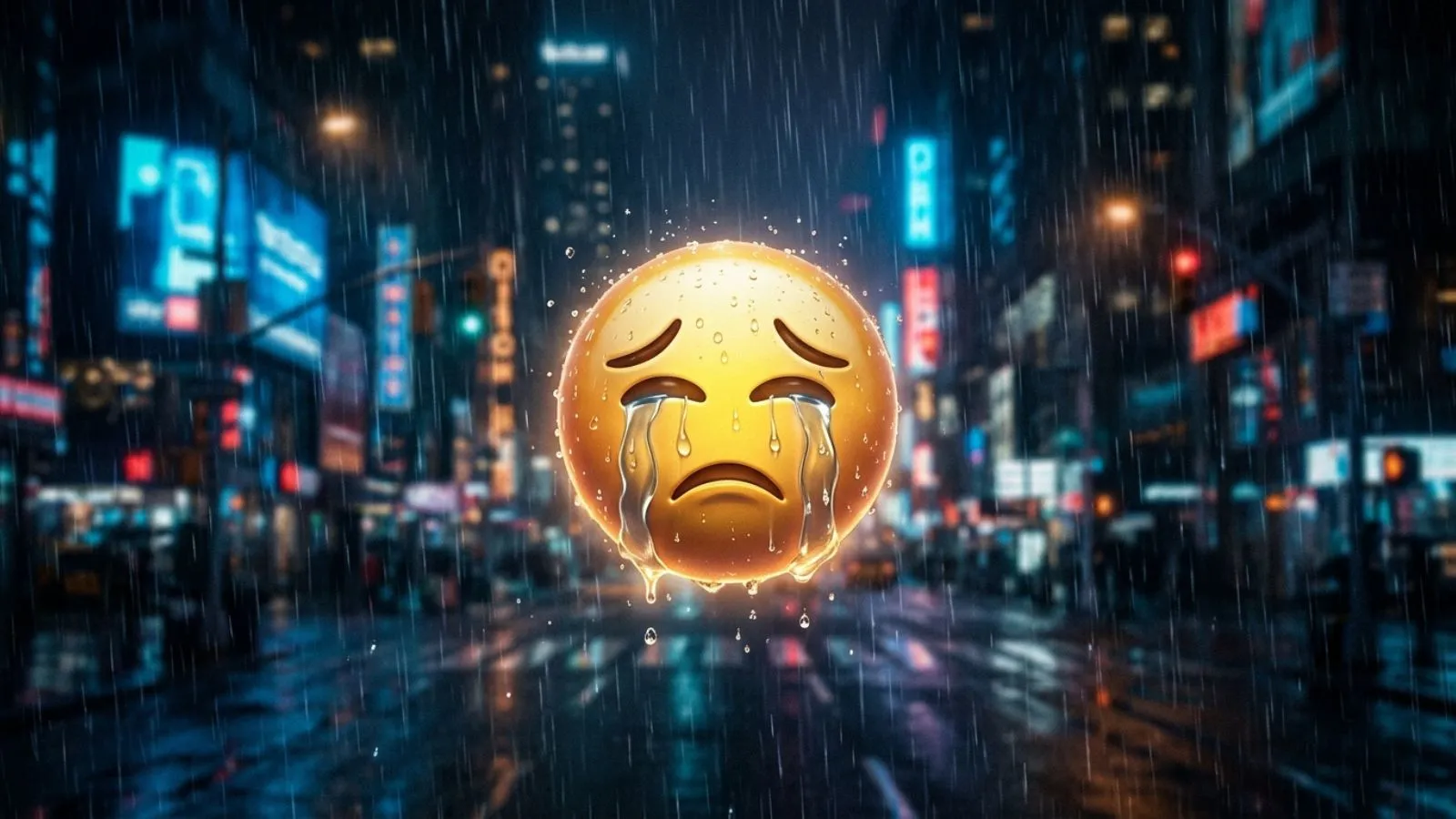
When words fall short, the 😢 crying emoji quietly speaks the emotion your heart can’t type.
It’s late at night, you’re scrolling through old chats, and suddenly someone sends a simple 😢. No words, no explanation, just a small face with a tear.
Yet somehow, you instantly understand the feeling behind it. That’s the power of the crying emoji.
It has become one of the most expressive symbols in digital communication, used everywhere from emotional conversations to funny reactions online.
What does Crying Emoji Mean?
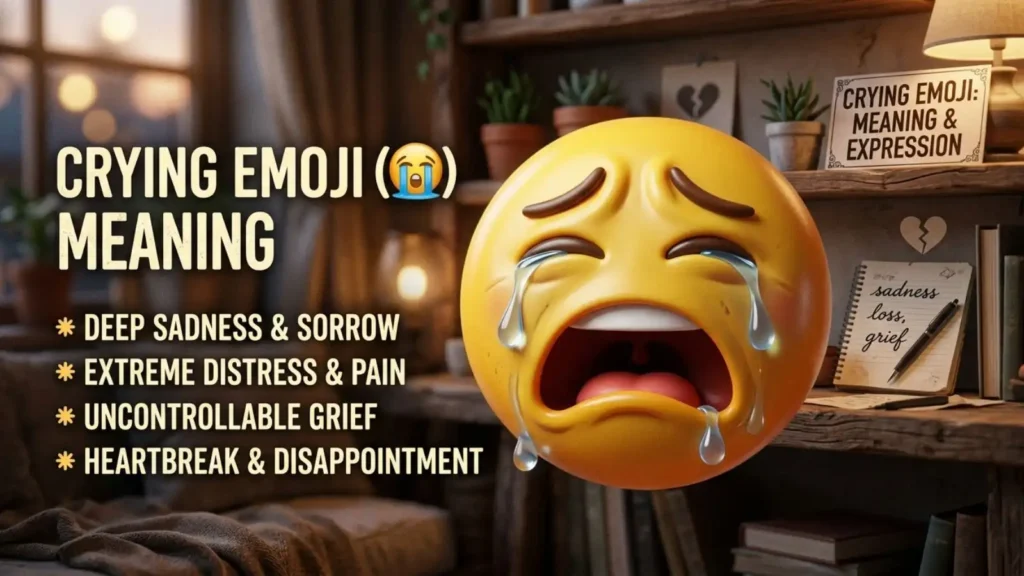
The 😢 crying emoji represents sadness, emotional pain, disappointment, or heartfelt sympathy. But its meaning isn’t always negative; it can also show emotional overwhelm, touching moments, or even “cute sadness.”
In real-life texting, people use it like:
- “I miss you 😢”
- “That movie was so emotional 😢”
- “I failed the test 😢”
Sometimes it even carries a soft, dramatic tone rather than deep sadness. On TikTok and Instagram, users also pair it with funny captions to exaggerate reactions like “When you see your bank balance 😢”.
The crying emoji is flexible and adapts to the emotion behind your message.
How to Use Crying Emoji
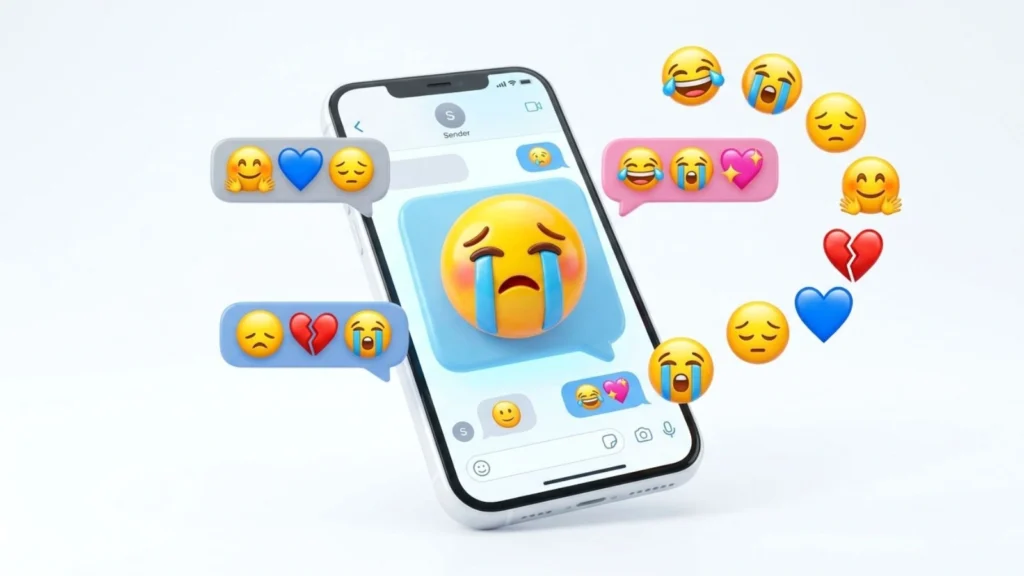
Using the 😢 emoji correctly depends on tone and context. It can completely change how your message feels.
Here’s how people commonly use it:
- Sadness: “Everything feels off today 😢”
- Empathy: “I understand you 😢”
- Emotional reaction: “That ending hit me hard 😢”
- Playful exaggeration: “Monday again 😢”
You can also combine it with words or other emojis to strengthen expression. For example:
- “I’m fine 😢💔”
- “Why life like this 😢😂”
It works best when you want to add emotional depth without writing long sentences.
The crying emoji makes your message feel human, real, and expressive.
Best Crying Emoji Combinations for copy paste
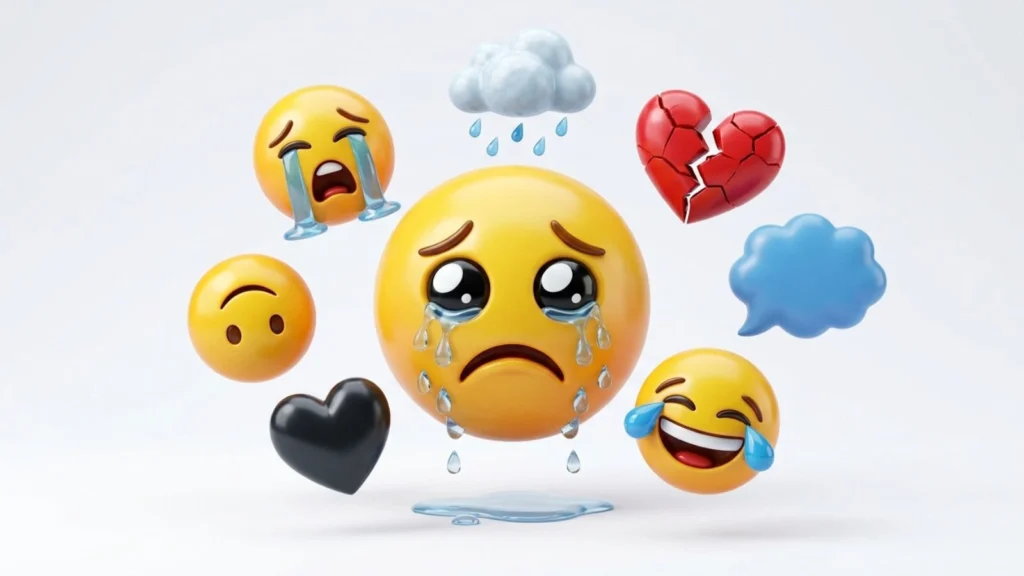
The 😢 emoji becomes even more powerful when paired with other emojis. Here are popular combinations you can copy and use instantly:
| Emotion | Emoji Combo | Meaning |
| Sadness | 😢💔 | Heartbreak |
| Emotional pain | 😢😭 | Deep crying |
| Missing someone | 😢💭 | Nostalgia |
| Funny sadness | 😢😂 | Laughing through pain |
| Disappointment | 😢🙃 | Unexpected failure |
| Love sadness | 💔😢🌧️ | Romantic sadness |
Copy-paste ready combos:
- 😢💔😭
- 😢💭💔
- 😢😂😂
- 💔😢🌧️
- 😢😢😢
These combinations are widely used in chats, captions, and reels to express layered emotions.
Aesthetic Crying Emoji ideas for social media
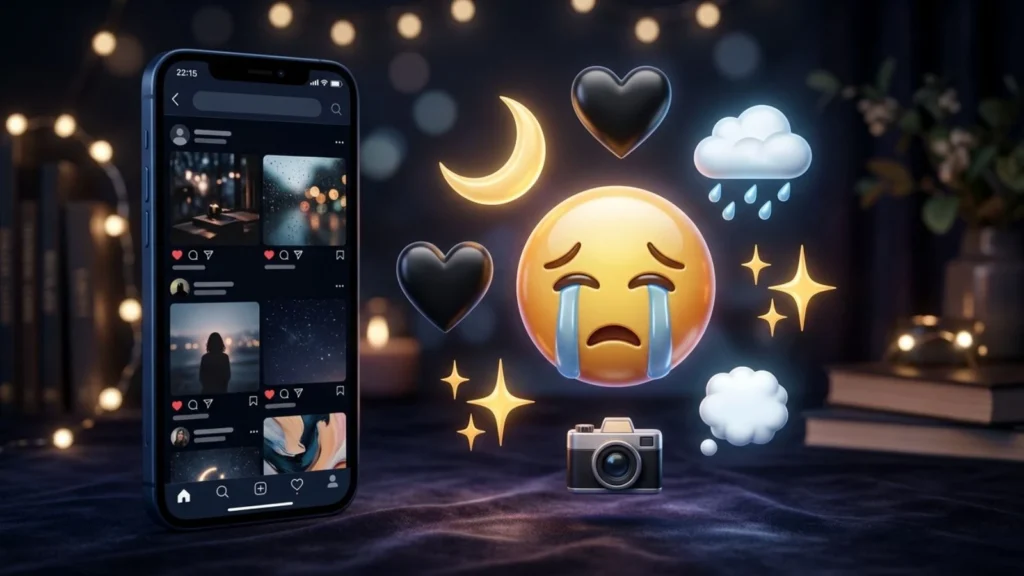
On platforms like Instagram, TikTok, and WhatsApp, the 😢 emoji is part of aesthetic storytelling.
Here are stylish ideas:
- “late night thoughts 😢🌙✨”
- “lost but learning 😢🖤”
- “memories hit different 😢📸”
- “soft heartbreak era 😢🌧️”
- “it’s okay not to be okay 😢💭”
Aesthetic styling tips:
- Use spacing between emojis for clean captions
- Combine with soft emojis like 🌙🖤🌧️✨
- Keep captions short and emotional
Example bio idea:
“just a soul healing slowly 😢🖤”
Aesthetic use of the crying emoji makes your profile feel emotional and relatable.
Common problems and solutions
Many users face confusion when using the 😢 emoji. Here are the most common issues:
1. Emoji looks different on devices
- Solution: Different platforms (iOS, Android, Windows) render emojis slightly differently. This is normal.
2. Misinterpretation of tone
- Solution: Add context or extra emojis like 💔 or 😂 to clarify emotion.
3. Overuse makes messages confusing
- Solution: Use it sparingly for stronger emotional impact.
4. Not sure when to use it
- Solution: Use it when words alone can’t express sadness, empathy, or emotional reaction.
Understanding context is key to using emojis correctly.
Trending Crying Emoji Usage in 2026
In 2026, the 😢 crying emoji is still highly relevant but used in more creative and mixed ways.
Trending patterns include:
- Dual emotion captions: 😢😂 (sad but funny content)
- Aesthetic storytelling: short emotional captions with emojis
- Relatable content memes: “adult life be like 😢”
- Soft sadness trend: combining 😢 with calming emojis like 🌙🫶🖤
- Minimal emotional posts: using just one emoji 😢 as a full caption
On TikTok, creators use it to express “relatable pain moments” in humor-based content, making it both emotional and entertaining.
The crying emoji continues evolving from pure sadness to expressive digital storytelling.
FAQs About Crying Emoji
1. What does the crying emoji mean in texting?
It usually shows sadness, emotional pain, or deep feelings.
2. Is the crying emoji always negative?
No, it can also show emotional moments, empathy, or touching reactions.
3. Can I use crying emoji in funny posts?
Yes, it’s often used with 😂 to show exaggerated humor.
4. Why do crying emoji look different on phones?
Because each platform designs emojis slightly differently.
5. What emojis go best with crying emoji?
💔😂😭🌧️🖤 are the most popular combinations.
6. Is crying emoji still trending in 2026?
Yes, it remains widely used in emotional and aesthetic content.
Conclusion:
The 😢 Crying Emoji is more than just a symbol of sadness, it’s a powerful expression of human emotion in digital conversations.
If you’re feeling heartbroken, nostalgic, overwhelmed, or even laughing through pain, this emoji helps you communicate what words often cannot.
Its versatility makes it one of the most widely used emojis across messaging apps and social media platforms.
In 2026, the crying emoji continues to evolve with trends, blending into aesthetic captions, relatable memes, and emotional storytelling.
From simple chats to viral TikTok content, it adds depth and feeling to every message. When used thoughtfully, it can make your communication more honest, expressive, and relatable.
So next time you don’t know how to express your feelings, just let a 😢 do the talking. It’s small, simple, but incredibly powerful in showing the emotions we all experience in everyday life.
Discover More Posts!
- 93+ Smile Emoji 😊 Copy Paste: Meaning, Uses & Trends 2026
- 89+ Happy Emoji 😊 Copy, Meaning, Uses & Aesthetic Ideas for 2026
- 91+ Shrug Emoji 🤷: Full Meaning, Uses & Copy Paste Guide

I’m Maya Angelou, the creator behind EmojiAura.com, where I explore emoji meanings, social media trends, and fun digital expressions. I’m passionate about helping people understand the real meaning behind emojis and use them creatively in chats, captions, posts, and everyday online conversations.